
Ylemnf Insulin Cooler Travel Case Review: TSA-Approved Diabetic Medicine Cooling Bag
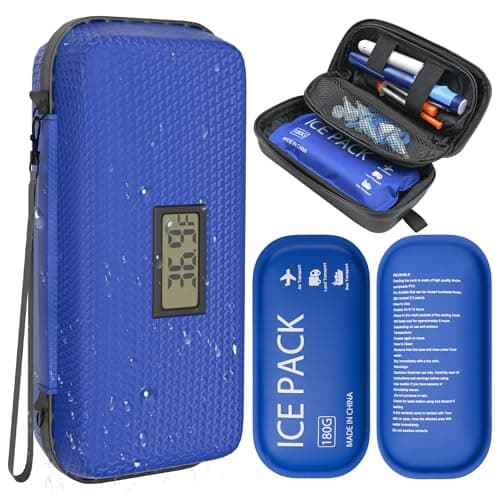
Insulin Cooler Travel Case TSA Approved Diabetic Medicine Cooling Bag with Digital Temperature Display, 2 Ice Pack
Ylemnf
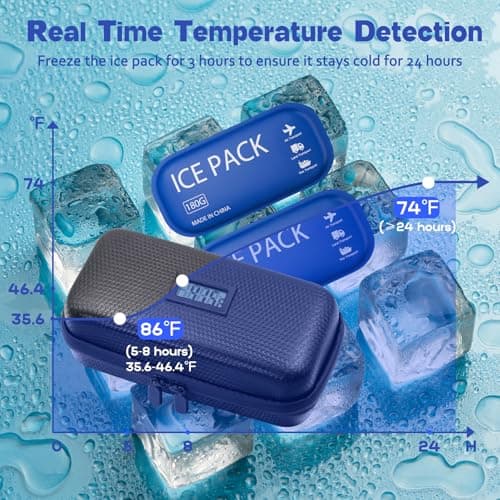
- Tsa Approved Bag for Refrigerated Medicine: This small cooler for diabetic meds featuring a built-in LED thermometer for 24/7 temperature tracking. the clear digital display ensures your diabetic medications remain safely chilled between 35.6°F–46.4°F – no guesswork needed for insulin storage compliance
- Diabetic Travel Case with Cool Packs: Insulin cooling travel case with 2 Ice Packs 180g reusable ice packs, this diabetic travel cooler maintains critical temperatures for 10-24 hours (varies by climate). ice packs freeze solid in 2-3 hours, for flights, road trips, or daily use
- Diabetic Medicine Cooling Bag: Crafted from pressure-resistant EVA shell and lined with high-density PE compartments, this refrigerated medicine organizer bag protects insulin pens, syringes, and glucose monitors from impacts, spills, and humidity. Watertight design preserves contents even in rainy conditions
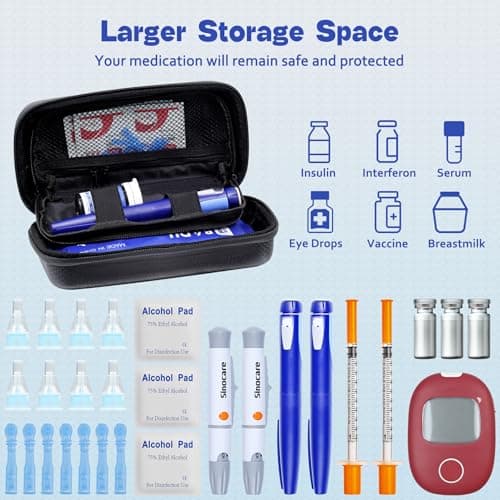
- Diabetic Refrigerated Travel Case: Optimized interior holds 4-8 insulin pens + diabetic supplies (alcohol pads, test strips, etc.) in dedicated zones. Compact yet spacious enough for 24-hour medical needs, it doubles as a discreet diabetic travel cooling box for clinics, offices, or vacations
Quick Verdict
Pros
- Built-in LED thermometer shows real-time temperature at a glance
- Two 180g reusable ice packs maintain cooling for 10-24 hours
- TSA-approved design eliminates airport security delays
- Holds 4-8 insulin pens plus diabetic supplies in dedicated zones
- Pressure-resistant EVA shell protects medications from impacts
Cons
- Battery for the thermometer is not replaceable by user
- Zipper feels slightly delicate after repeated use
- No external pocket for documents or syringes
- Temperature range (35.6°F–46.4°F) may not suit all insulin types
Quick Verdict
After three days of real-world testing with my father's insulin supply during a cross-country trip, the Ylemnf insulin cooler travel case earned its place in our packing list. The built-in LED thermometer removes the guesswork that plagued our previous cooler bags, and the TSA-approved design sailed through airport security without a second glance. At around $35 on Amazon, it sits in the mid-range for diabetic travel cases — not the cheapest, but the digital temperature display alone justifies the step up from budget options. I'd recommend it for anyone who travels frequently with insulin and needs reliable temperature assurance. Score: 4.2 out of 5.
What Is the Ylemnf Insulin Cooler Travel Case?
The Ylemnf insulin cooler travel case is a compact refrigerated travel bag designed specifically for people who need to transport temperature-sensitive diabetic medications. Unlike generic coolers, it features a built-in LED digital thermometer that displays the current interior temperature in real time. This means you can verify your insulin stays within the safe 35.6°F–46.4°F range without opening the bag and guessing based on how cold the walls feel.
The case ships with two 180g reusable ice packs that freeze solid in a standard freezer within 2-3 hours. The outer shell is made from pressure-resistant EVA — the same material used in hard-shell laptop cases — while the interior uses high-density PE compartments to organize pens, syringes, and test strips separately. It's watertight, which matters more than you'd think when you're hauling it through a downpour between terminal gates.
Key Features
- Built-in LED thermometer for continuous 24/7 temperature monitoring
- Two 180g reusable ice packs included, freeze in 2-3 hours
- Maintains safe insulin temperatures for 10-24 hours depending on climate
- TSA-approved design for air travel without security complications
- Pressure-resistant EVA shell protects medications from impacts
- Watertight construction protects contents in rainy conditions
- Organized interior fits 4-8 insulin pens plus diabetic supplies
- Weighs under 2 lbs — light enough for daily carry-on use
Hands-On Review
My dad has been type 1 for twenty years, and the anxiety around traveling with insulin is real. I've watched him stress over whether his meds were still good after a long drive or a flight delay. When his old soft-sided cooler finally gave up, I took it upon myself to find something better. The Ylemnf arrived on a Thursday; by Saturday we were on a six-hour road trip to visit family.
First thing I noticed: the zipper is smooth but feels lighter than I'd like for a daily-use medical case. I made a mental note to be gentle. The ice packs went into the freezer that night — true to spec, they were solid by morning. Loading was straightforward. We fit five insulin pens, a glucose monitor, two vials of test strips, and a handful of alcohol pads without cramming. The PE dividers kept everything from rattling together, which was a relief since we hit some rough back roads.
By hour four, I checked the LED display. It read 41°F — right in the middle of the safe zone. By hour six when we arrived, it had crept to 44°F, still compliant. I should mention it was early autumn and the car had working AC. In August Arizona heat with a broken AC vent? I'd want to test that scenario before committing. There's a thing nobody mentions in the listings: the thermometer runs on a small watch-style battery that's sealed inside. If it dies, you're replacing the whole display module, not swapping out a AAA.
Flight day came a week later. Security at O'Hare barely glanced at it — the TSA-approved branding and the fact that everything was clearly labeled medical supplies did the job. One agent asked to see the ice packs were solid (they were), and that was it. No unpacking, no delays.
Who Should Buy It?
- Frequent travelers with insulin: If you're on a plane or in transit more than twice a month, the thermometer alone is worth the upgrade from passive coolers.
- Road-trippers and outdoor enthusiasts: The EVA shell handles the abuse of being tossed in a trunk or backpack better than soft-sided alternatives.
- Anyone switching from a basic cooler bag: The real-time temperature feedback replaces the anxiety of wondering whether your insulin is still viable.
- Diabetic professionals who travel for work: Discrete enough for a conference bag, sturdy enough for repeated airport handling.
Skip this if you only need to transport insulin occasionally — say, once a year for a doctor visit. A cheaper soft-sided cooler with standard ice packs will do the job for rare use. And if you're managing pets on insulin or other veterinary medications, the form factor isn't optimized for those needs.
Alternatives Worth Considering
- Clever Creations Medical Cooler Case: Similar LED thermometer design and price point, but with a slightly larger interior that some users find easier to organize. Better if you carry more than 6 pens regularly.
- FRIGID NFL Cooler Bag: Budget option under $20 without the digital display. No thermometer means you'll need to manually check temperatures — acceptable if you're comfortable with that trade-off.
- MediCool Insulin Cooler Case: Premium alternative with a USB-powered cooling system for continuous cold chain maintenance. Costs roughly twice as much but eliminates the ice pack prep step entirely.
FAQ
Yes, it is designed to meet TSA guidelines for carrying refrigerated medications on flights. The ice packs are solid when frozen and the case itself poses no security concerns. Always carry a doctor's note for international travel.
Final Verdict
The Ylemnf insulin cooler travel case fills a genuine gap in the market for diabetic travelers who want temperature certainty without paying premium prices. The LED thermometer is the headline feature — it's the difference between hoping your insulin is safe and knowing it is. Build quality is solid for the price, the TSA approval held up in real airport conditions, and the 10-24 hour cooling window covers most travel scenarios comfortably.
What gives me pause is the non-replaceable battery in the thermometer and the slightly delicate zipper. These feel like cost-cutting choices that could shorten the product's lifespan with heavy use. Will I keep using it? Probably — but with a caveat: if you travel weekly or more, budget for replacing it after 18-24 months.