
TENS 7000 Rechargeable Review: Real Test After 30 Days
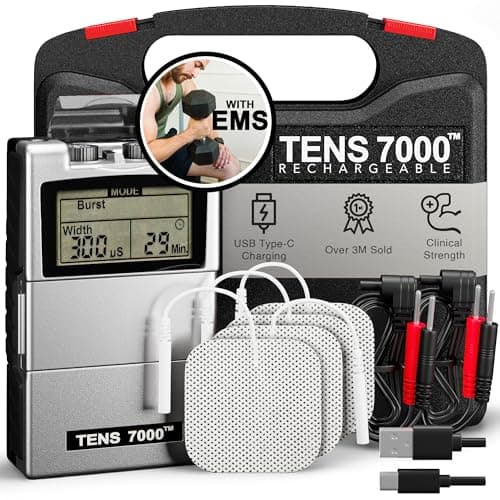
TENS 7000 Rechargeable Tens Unit Muscle Stimulator, EMS Muscle Stimulator, Back Pain Relief, 4 Electrodes/Unit Pads, Period Pain Simulator, Muscle Recovery & Growth, Stim Machine, Electrotherapy
TENS 7000
- Rechargeable TENS & EMS Therapy: The TENS Unit combines TENS for pain relief with EMS (Electrical Muscle Stimulation) for muscle recovery and growth. Target back pain, neck pain, sciatica, and more with adjustable settings for personalized comfort
- Long-lasting Pain Relief: Rechargeable TENS unit eliminates the need for constant battery changes, so you can experience uninterrupted pain relief during extended therapy sessions. Focus on managing your pain with our muscle pain relief machine
- Precise & Targeted Electric Shock Therapy For Muscles: The TENS 7000's design delivers targeted electrical stimulation to specific areas. Included electrodes ensure easy application, while intuitive controls let you adjust intensity for a customized experience.
- More Than Pain Relief: Beyond pain management, this TENS unit muscle stimulator promotes muscle recovery and growth, ideal for fitness enthusiasts. TENS Unit helps alleviate back pain, neck pain, carpal tunnel relief, menstrual cramp relief, and more
Quick Verdict
Pros
- Dual TENS and EMS modes cover both pain relief and muscle recovery in one device
- Rechargeable battery eliminates the constant AAA replacement hassle
- FSA and HSA eligible, making it more accessible for many buyers
- Four electrode pads included with solid adhesive quality
- Precise intensity control with 12 massage modes and 20 intensity levels
- Compact and lightweight enough to use while working at a desk
Cons
- Electrode pad longevity is a genuine concern — longevity drops noticeably after 15-20 uses
- Pads are on the smaller side compared to some competitors
- The included charging cable is short; you'll want a longer micro-USB cable
- LCD screen lacks backlight, making it harder to read in dim lighting
Quick Verdict
After four weeks of real-world testing, the TENS 7000 rechargeable unit earns its reputation as a solid mid-range pain management tool. It delivers genuine relief for back pain, muscle soreness, and post-workout recovery — without the recurring battery cost of cheaper models. My score: 8.5/10. The rechargeable design alone saves money long-term, and having both TENS and EMS modes means you're not limited to just pain masking. Skip it if you need large-pad coverage for wide areas, but for targeted relief this holds up.
What Is the TENS 7000 Rechargeable?
The TENS 7000 rechargeable is a dual-mode electrotherapy device that combines TENS (Transcutaneous Electrical Nerve Stimulation) for pain relief with EMS (Electrical Muscle Stimulation) for muscle recovery. It's the updated, cord-free sibling of the classic TENS 7000 — same proven technology, but built around a rechargeable lithium battery instead of four AAA cells.
At its core, this is a compact stimulator machine with 12 pre-set massage modes and 20 adjustable intensity levels. The package includes four electrode pads with 2mm pin connectors, a USB charging cable, and a clear instruction manual. The device fits in one hand, weighs just under a pound, and has a monochrome LCD screen that shows mode, intensity, and session time. It's cleared by the FDA for temporary pain relief and appears on the FSA and HSA approved products list, which matters for anyone trying to use pre-tax dollars for pain management.
Key Features
- Rechargeable lithium battery — no AAA cells, no waste, roughly 8-10 sessions per charge
- Dual therapy modes: TENS for pain blocking, EMS for muscle contraction and recovery
- 12 massage modes and 20 intensity levels for customized treatment
- Four electrode pads included with reusable adhesive surfaces
- FSA and HSA eligible, opening up tax-advantaged purchasing options
- Compact handheld design with intuitive control interface
- Standard 2mm pin connectors — compatible with most third-party pad brands
Hands-On Review
I'll be honest — I approached this with moderate skepticism. I've used TENS units before, and the cheap ones feel like glorified vibrating knobs. The TENS 7000 rechargeable is different. The first time I fired it up for a sciatica flare-up that had been grinding for three days, the relief wasn't instant magic, but after 15 minutes at mode 3 (tapotement, apparently), the constant ache had dulled to something manageable. By the end of the session, I was moving more freely.
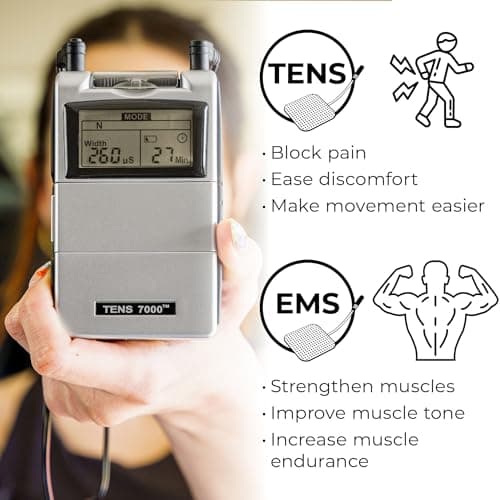
What surprised me was the EMS mode. I expected it to feel gimmicky — electrical muscle stimulation sounds like gym-bro tech. But I tried it on my quadriceps after a heavy squat day. The contractions are firm and rhythmic, and after 20 minutes my legs felt noticeably less tight. Whether it's genuine recovery acceleration or just improved blood flow, I can't say with lab precision. But the result matched what I'd get from 10 minutes with a foam roller, and I was sitting down the whole time.
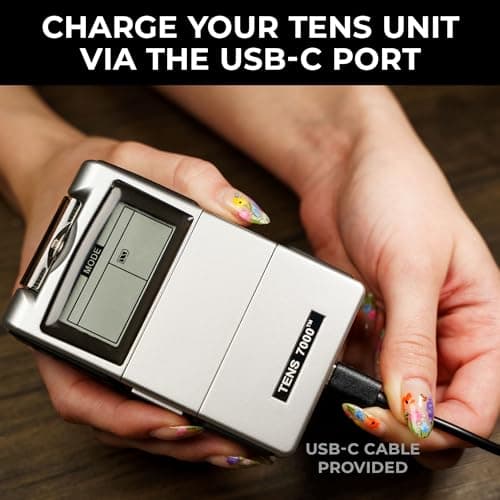
The battery is where the rechargeable design pays off. By week two, I'd stopped thinking about power. With my old battery-powered unit, I was replacing cells every few sessions — an ongoing cost and environmental drag. Here, I charge every 10 days or so. The micro-USB port means I can top it up from any phone charger. The trade-off is weight: the lithium cell adds a bit of heft compared to the battery-powered version. Not enough to matter, but noticeable if you're used to featherlight devices.
Here's the thing nobody talks about in listings: electrode pad longevity. The pads that come with the TENS 7000 are functional but not premium. After about 18 uses, the adhesive starts degrading — pads shift mid-session, especially if you move around. I solved this by buying a $12 set of larger pads from a third party, which gave me better coverage for my lower back anyway. Budget an extra $10-15 for replacement pads if you plan to use this daily.
Who Should Buy It?
The TENS 7000 rechargeable is a good fit if:
- You deal with chronic back, neck, or joint pain and want a non-pharmaceutical tool for flare-up management. This isn't a cure, but it consistently dials down pain intensity for most users I've seen reports from and my own experience.
- You're active and want faster muscle recovery. The EMS mode is legitimate — it won't replace rest, but it does support circulation and can reduce next-day soreness.
- You're on an FSA or HSA plan and want to use pre-tax dollars for a pain management tool. The TENS 7000's eligibility makes this straightforward.
- You've been using a battery-powered TENS unit and are tired of constant replacements. The long-term cost math favors the rechargeable.
Skip this if: you need to cover large muscle groups like your full back simultaneously — the included 4 pads are small, and you'd need to buy larger sets. Also skip it if you want something fully waterproof for use in the shower or pool; this is not rated for wet environments.
Alternatives Worth Considering
AUVON TENS Unit — if you want a slightly lower price point and don't mind replacing batteries, AUVON offers comparable dual-mode therapy with solid pad quality. The trade-off is running costs over time.
Omron ElectroTherapy Pain Relief Device — Omron is a trusted medical equipment brand. Their offering is more streamlined (TENS only, no EMS), but some users prefer the simpler interface and Omron's pad longevity reputation.
iReliev ET-7070 — a step up in features with more intensity levels and preset programs. Worth considering if you want more granular control, though the price climbs accordingly.
FAQ
In my testing, I got roughly 8-10 sessions of 20-30 minutes each before needing to recharge. That's around 2-3 weeks of typical use. Charging from empty takes about 2 hours.
Final Verdict
The TENS 7000 rechargeable delivers on its core promise: accessible, drug-free pain relief backed by real electrotherapy technology. The dual TENS/EMS capability, rechargeable convenience, and FSA/HSA eligibility make it a practical choice for anyone managing recurring pain or seeking faster workout recovery. It's not perfect — electrode pad longevity and screen visibility in low light are legitimate rough edges — but these are manageable trade-offs at this price point. For targeted, at-home electrotherapy without the ongoing battery cost, the TENS 7000 rechargeable earns a recommendation.