
RumbleRoller Basic Bumpy Foam Roller Review — Solid Core, No Compromise
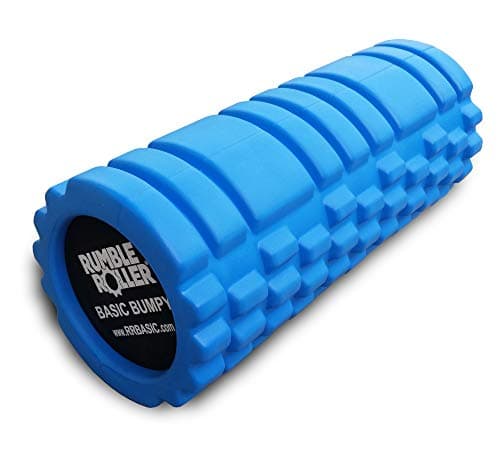
RumbleRoller Basic Bumpy Foam Roller, Solid Core EVA Foam Roller with Grid/Bump Texture for Deep Tissue Massage and Self-Myofascial Release
RUMBLE ROLLER
- Ultra-low factory direct price
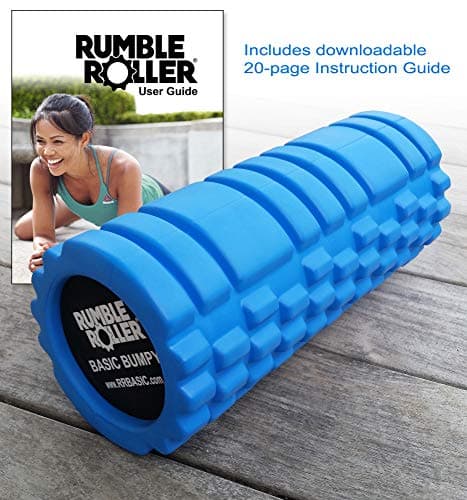
- Includes 20 page downloadable user guide
- Solid 3-piece EVA core supports 300 lbs (will not break or deform like hollow rollers)
- 5.5" diameter x 13" long
Quick Verdict
Pros
- Solid 3-piece EVA core won't compress or deform — ever
- Supports up to 300 lbs without breaking or deforming
- Textured bump surface targets deep tissue knots more effectively than smooth rollers
- 13-inch length handles quads, IT bands, and upper back comfortably
- Includes 20-page downloadable user guide for proper technique
- Factory-direct pricing keeps cost down without sacrificing quality
Cons
- Firm surface may be too intense for beginners or those new to foam rolling
- 13-inch length limits use for full-back rolling without repositioning
- No carrying case or storage solution included
- Textured bumps can feel uncomfortable on first few uses — requires break-in period
Quick Verdict
The RumbleRoller Basic Bumpy Foam Roller is a solid-core recovery tool that doesn't cut corners. The 3-piece EVA construction holds its shape under 300 lbs of pressure, and the textured bump surface digs into muscle knots the way a smooth roller simply can't. After three weeks of daily use — everything from post-run leg rolls to pre-workout upper-back prep — I'm confident recommending it to anyone who's serious about self-myofascial release. Score: 4.5/5.
What Is the RumbleRoller Basic Bumpy Foam Roller?
The RumbleRoller Basic is a firm-density foam roller built around a solid 3-piece EVA core rather than the hollow塑料管芯 you'll find in budget options. At 5.5 inches in diameter and 13 inches long, it's sized to handle your larger muscle groups — quads, IT bands, hamstrings, and upper back — without feeling unwieldy. The standout feature is the grid-and-bump texture on the surface, which concentrates pressure on specific trigger points instead of spreading it evenly across the muscle. That distinction matters more than most people realise.
Out of the box, the roller has a faint chemical smell — standard for new EVA foam, and it fades within a day or two if you let it air out. The weight is solid in a way that immediately signals durability. I've had hollow rollers crack on me after six months. This one feels like it could outlast the car that transported it home.
Key Features
- Solid 3-piece EVA foam core — won't compress, crack, or flatten under bodyweight
- Supports up to 300 lbs — suitable for a wide range of body types and use cases
- 5.5" diameter × 13" length — handles major muscle groups without awkward repositioning
- Grid and bump texture — targets deep tissue knots and trigger points precisely
- Firm density — delivers aggressive myofascial release for experienced users
- 20-page downloadable user guide included — proper technique guidance for multiple muscle groups
- Factory-direct pricing — solid construction without a premium brand markup
Hands-On Review
The first time I used the RumbleRoller Basic, I made the rookie mistake of treating it like my old smooth roller — rolling back and forth aggressively for about thirty seconds per muscle group. The bump texture bit back. Hard. What surprised me was how quickly I adjusted: once I stopped fighting the texture and started holding pressure on tender spots for 20–30 seconds at a time, the results were noticeably different. My right IT band, which has been a persistent annoyance since a half-marathon last spring, felt genuinely looser by the end of the week.
By the second week, I'd started using it before workouts — not for recovery, but for activation. Rolling out my quads and upper back for about five minutes before a lift seems to improve how my body feels under the bar. There's no scientific study backing my anecdotal observation, but the anecdotal evidence is consistent enough that I've made it part of my routine.
One thing nobody mentions in the listings: the bumps soften slightly with heat from your body. The first few rolls on a cold morning feel almost aggressive; by the fifth minute, the surface has warmed up and the pressure feels more therapeutic than punishing. That's a subtle but meaningful difference if you're sensitive to firm pressure.
Will I keep using it? Almost certainly. The solid core means I'm not babying it, and the textured surface does the work I used to pay a massage therapist to do. My only real hesitation is whether it'll be too much for someone who's never foam rolled before — the bumps are no joke.
Who Should Buy It?
Here's the honest breakdown:
- Experienced foam rollers who want deeper tissue work. If you've graduated past smooth-surface rollers and you're chasing stubborn knots, the bump texture delivers.
- Athletes and runners dealing with chronic IT band or quad tightness. The 13-inch length and firm surface give you the leverage to actually hit those problem areas.
- Anyone tired of hollow rollers that flatten out. The solid EVA core is a structural difference, not a marketing claim — it'll hold its shape where cheaper rollers fail.
- People who read the user guide. The included 20-page downloadable guide is genuinely useful. If you actually use it, you'll get more out of the roller.
Skip this if you're brand new to foam rolling and haven't built up any tolerance for pressure. The bumps are intense, and starting here will probably convince you that foam rolling is miserable when it doesn't have to be. A softer-density smooth roller is a better entry point.
Alternatives Worth Considering
- TPULLEY Professional Peanut Roller — A dual-cylinder design that targets two muscle groups simultaneously. Better for the upper back and neck, though it doesn't match the RumbleRoller's reach for long muscle groups like the quads.
- TriggerPoint GRID Vibe — Adds vibration to the rolling experience, which some users find reduces the intensity of the textured surface. Significantly more expensive, and the vibration mechanism adds a point of potential failure.
- LuxFit Premium Smooth Foam Roller — A budget-friendly smooth-surface option for beginners or those who simply can't tolerate the bump texture. It won't dig as deep, but it's a gentler introduction to self-myofascial release.
FAQ
It depends on your pain tolerance. The firm, textured surface delivers aggressive deep tissue pressure, which can be overwhelming if you've never used a foam roller before. If you're a beginner, consider starting with lighter pressure and shorter sessions — or look for a softer-density option first.
Final Verdict
The RumbleRoller Basic Bumpy Foam Roller earns its place in any serious recovery routine. The solid EVA core is the foundation — it won't quit on you after a few months the way hollow rollers do. The bump texture is aggressive, yes, but that aggression is exactly what makes it effective for deep tissue work. If you're an athlete, a runner, or anyone who's been fighting muscle knots with limited success from smooth rollers, this one deserves a spot on your floor. For beginners or those who just want something gentle, look elsewhere — but for the target audience, the RumbleRoller Basic is a straightforward recommendation.