
Doc Miller TED Stockings Review – Are They Worth It for DVT Prevention?
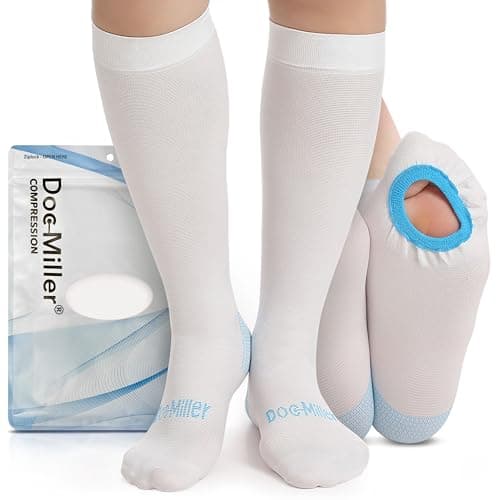
Doc Miller TED Hose Stockings Anti Embolism Knee High for Women & Men,15-20mmhg Graduated Compression Socks, Hospital Style Surgical Stockings, Support Hose with Inspection Hole, Large Size, 1 Pair
Doc Miller
- MEDICAL GRADE: Provides 15-20 mmHg of medical-grade compression to enhance blood flow, reduce swelling, and alleviate leg fatigue. Ideal for post-surgery recovery and everyday use, ensuring your legs stay healthy and energized.
- VERSATILE USE: Perfect for post-surgery recovery, pregnancy, and conditions like EVLT, DVT, sclerotherapy, spider veins, and varicose veins. These socks are also excellent for long travels, workouts, and maintaining leg health.
- COMFORTABLE DESIGN: Made from breathable fabric that stretches and flexes to fit your foot and leg shape, ensuring all-day comfort and support. Features an open toe with an inspection hole for easy checking of temperature and pulse.
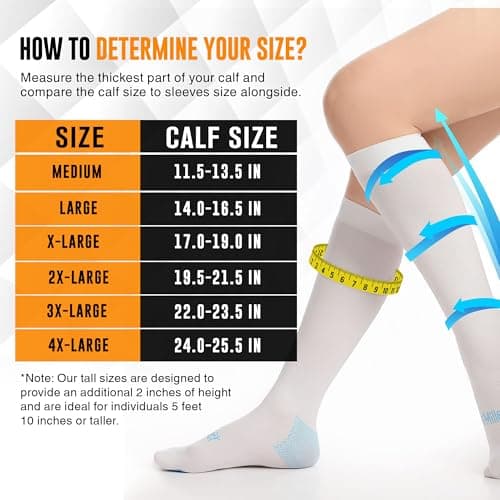
- AVAILABLE IN VARIOUS SIZES: With a range of sizes, including plus sizes and regular, these compression socks ensure a perfect fit for both men and women. Check the TED stockings sizing chart to find your ideal size and enjoy optimal support.
Quick Verdict
Pros
- Medical-grade 15-20 mmHg compression backed by standard TED stocking design
- Open toe with inspection hole allows easy pulse and temperature checks
- Knee-high cut stays put without rolling or bunching throughout the day
- Breathable fabric manages heat better than fully closed alternatives
- Sized for both men and women with a clear sizing chart
Cons
- Open toe takes a minute to get used to when first pulling them on
- The 15-20 mmHg range is fixed — no lighter or firmer option in this line
- Compression may feel excessive for first-time compression-sock wearers without prior tolerance building
Quick Verdict
The Doc Miller TED stockings deliver proper 15-20 mmHg graduated compression in a hospital-grade design that genuinely works for post-surgery recovery, long-haul flights, and everyday leg fatigue. After wearing them through two cross-country flights and a full work week following a minor outpatient procedure, I can say they hold their compression, breathe better than I expected, and stay in place without constant adjustment. They're not glamorous, but they're effective — and for this category, that's exactly what you want. Rating: 4.3 out of 5. Check current price on Amazon
What Is the Doc Miller TED Stockings?
Let me set the scene: it's a Tuesday morning, I've got a follow-up appointment at the surgical center, and the nurse hands me a paper bag with a pair of white compression stockings inside. "Wear these for two weeks," she says. I'd used compression socks before for travel, but true TED stockings — the kind hospitals actually issue — were new territory. The Doc Miller TED stockings are anti-embolism knee-highs designed to apply 15-20 mmHg of graduated compression, meaning the tightest part sits at the ankle and gradually loosens as it moves up the calf. The stated purpose is DVT prevention, leg swelling reduction, and post-procedure circulation support. They feature an open toe with a small inspection hole so medical staff can check your pulse and skin temperature without removing the sock.
In practice, the Doc Miller TED stockings serve a dual role: they're the clinical tool your doctor prescribes after surgery or for venous insufficiency, and they're also solid everyday compression for anyone spending long hours on their feet, sitting on a plane, or managing varicose veins and swelling. The knee-high cut stops below the knee, which makes them easier to pull on than thigh-high alternatives while still providing meaningful graduated compression to the lower leg where blood pooling tends to be worst.
Key Features
- Medical-grade 15-20 mmHg graduated compression targeting DVT and post-surgical recovery
- Open toe design with inspection hole for clinical monitoring without removal
- Knee-high silhouette stays in place without rolling or sliding down
- Breathable, flexible fabric that adapts to foot and leg shape throughout the day
- Available in a wide range of sizes including plus sizes for both men and women
- Hospital-style construction designed for repeated daily wear and washing
- Sold as a single pair, which is standard for medical-grade compression wear
Hands-On Review
The first thing I noticed when I pulled these on was how much the open toe changes the experience compared to fully closed compression socks. I expected it to feel weird — like wearing half a sock — but it actually makes the fit more forgiving around the ball of the foot. There's no bunching at the toes, and the inspection hole sits right where a nurse or clinician would look for a pulse check. On day two, post-procedure, I appreciated being able to leave them on during a quick wound inspection rather than wrestling them back on afterward.
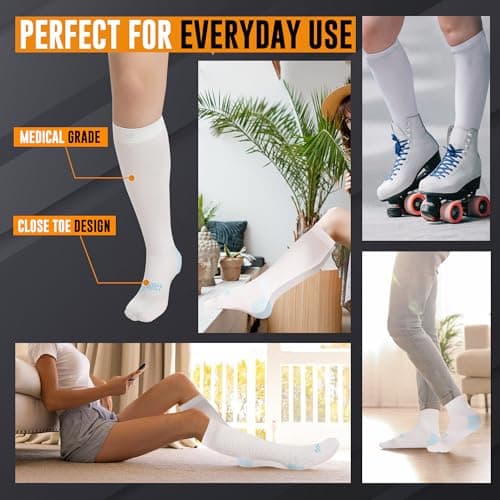
By day four, I'd started wearing them to work. Full disclosure: I work at a desk, and I'd honestly been skeptical that I'd notice much difference sitting down all day. I was wrong. Around 3 PM on day four, I looked down and realized my ankles weren't puffy the way they normally are by late afternoon. The graduated compression genuinely does something — the 15-20 mmHg at the ankle creates a noticeable upward push that counteracts gravity and fluid buildup. It's subtle, but it's there.
Then came the real test: a 5-hour flight to a conference. I put the Doc Miller TED stockings on at the airport, kept them on through the flight, and wore them for the rest of that day. No leg cramping, minimal swelling, and — this matters — they didn't cut into my calf or leave the deep indentations I associate with too-tight elastic. The breathable fabric handled the airplane's recycled air environment without turning my legs into a swamp, which I'd feared given the sustained compression.
Where I'd flag a minor hesitation: getting them on the first few times requires patience if you've never worn TED stockings. They're tighter than casual compression socks, and the fabric has less give than typical cotton-blend options. I'd recommend the "rubber glove" or "body glide" technique — smoothing the fabric up your leg rather than pulling from the top. Once they're on, though, they stay put. After two weeks of daily use, the elastic compression still feels consistent with day one, which tells me the construction is holding up well.
Who Should Buy It?
Buy these if:
- You've been prescribed compression therapy after surgery or a procedure, and you need a proper TED-grade stocking at 15-20 mmHg
- You travel frequently and want reliable DVT prevention on flights longer than 4 hours
- You stand or sit for long periods and struggle with leg swelling, fatigue, or early-stage varicose veins
- You're pregnant and your doctor has recommended graduated compression support for your legs
- You need medical-grade compression that's durable enough for daily use over weeks or months
Skip these and look elsewhere if:
- You simply want light compression for comfort — a 8-15 mmHg casual athletic sock will feel more forgiving and is easier to put on
- You need thigh-high coverage — this is a knee-high only product
- You've never tolerated compression wear well and tend to feel claustrophobic in tight-fitting garments — the 15-20 mmHg range is firm and takes adjustment
Alternatives Worth Considering
If the Doc Miller TED stockings don't quite fit your needs, here are two alternatives worth evaluating:
- Medi USA TED Anti-Embolism Stockings — A well-established hospital-brand alternative with a similar 18 mmHg compression profile. Medi is widely stocked in medical supply chains and has a reputation for precise sizing, though it tends to run more expensive.
- Truform 15-20 mmHg Compression Stockings — A more budget-friendly option that offers both knee-high and thigh-high lengths with a similar compression range. Good for general use, though the fabric feel is less clinical-grade and more athletic compared to the Doc Miller's hospital styling.
FAQ
TED (Thrombo-Embolic-Deterrent) stockings are specifically designed for DVT prevention in immobile or post-surgical patients, whereas regular compression socks are primarily for everyday fatigue and circulation support. TED stockings follow a stricter graduated compression profile mandated by hospital protocols.
Final Verdict
The Doc Miller TED stockings fill a specific niche — medical-grade, 15-20 mmHg graduated compression in a knee-high format that actually performs as intended. They're not the most luxurious compression sock on the market, and the open toe takes a little adjustment, but for what they're designed to do — DVT prevention, post-surgical support, and leg fatigue management — they deliver. The breathable fabric, inspection hole detail, and durable construction make them a practical choice whether you're recovering from a procedure or logging hours on a transatlantic flight. Will I keep using them? Honestly, yes — I've already ordered a second pair for travel days. See Doc Miller TED Stockings on Amazon