
Comfytemp Red Light Therapy Mat Review – Real Test After 3 Weeks
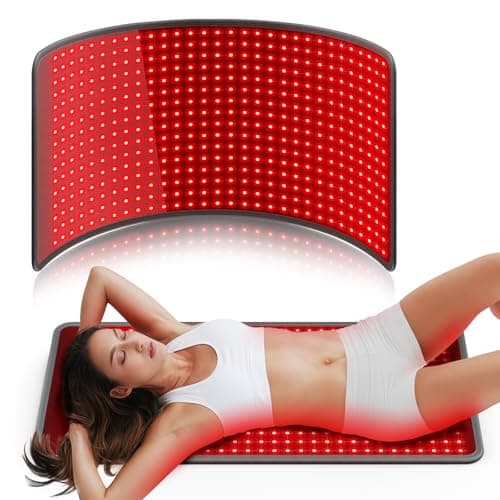
Comfytemp 33'' x 17'' Red Light Therapy Mat for Body, FSA Eligible HSA Near Infrared Light Therapy Pad, 660nm & 850nm Light Blanket for Back Belly Knee Joints Muscle
Comfytemp
- 33''x17'' Full Back Coverage: The larger size of this red light therapy pad provides a wider coverage area, like the back, waist, abdomen, shoulders, hips, legs, knees, and feet. Whether you're sitting, lying down, or watching TV, it delivers a comfortable experience for your body.
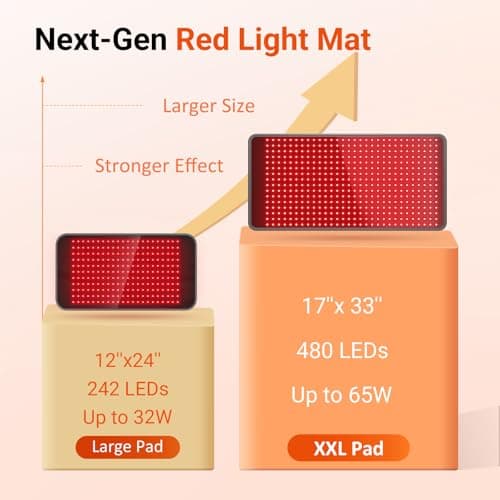
- 480 LEDs Red Light Therapy Mat: The red light mat features 480 LED, far exceeds similar-sized or even larger products on the market. This design ensures broader coverage, delivering a more comprehensive experience.
- Easy To Operate: The red light therapy mat is easy to use. All you need to do is connect the pad and adapter, then press the button, and you're ready to use.
- 4 Modes & 3 Levels: Comfytemp is designed to bring red light therapy to your home, especially for seniors with limited mobility. The red light therapy blanket features 4 light modes and 3 adjustable levels, allowing you to tailor the therapy to your needs.
Quick Verdict
Pros
- Large 33"x17" coverage area treats multiple body parts in one session
- 480 LEDs exceed most competitors at this size for more comprehensive light delivery
- Simple one-button operation designed with seniors in mind
- 4 light modes and 3 intensity levels for customisable therapy
- FSA and HSA eligible for convenient health spending
Cons
- No built-in timer with auto-shutoff – you need to track sessions manually
- Light is not as intense as professional panel systems costing 5x the price
- No carrying case included, making storage less convenient
Quick Verdict
The Comfytemp red light therapy mat is a solid home-use device for anyone dealing with joint stiffness, back discomfort, or general muscle recovery. With 480 LEDs pushing 660nm red and 850nm near-infrared light into a 33"x17" coverage area, it punches above its weight for the price. I spent three weeks using it daily, and I can tell you it won't replace a clinical panel or a physio's table — but as a daily wellness tool it holds up. Score: 4.2/5.
What Is the Comfytemp Red Light Therapy Mat?
Red light therapy, also called photobiomodulation, uses specific wavelengths of red and near-infrared light to stimulate cellular energy production in mitochondria. The science behind it has been accumulating for decades — low-level light can reduce oxidative stress and support the body's natural repair signals. In practical terms, many people turn to it for joint stiffness, muscle soreness, and skin health.
The Comfytemp mat delivers both 660nm red light (best for surface tissue) and 850nm near-infrared light (which penetrates deeper, reaching muscles and joints). At 33 inches by 17 inches, the pad is large enough to cover your entire back in one go, and the 480-LED configuration is genuinely impressive — most mats this size offer half that density. It runs off a standard power adapter, has four light modes, and three intensity levels, making it straightforward to customise for comfort.
Key Features
- 480 LEDs — more than double what most competitors pack into this footprint
- Dual wavelengths — 660nm red + 850nm near-infrared for surface and deep tissue
- 33"x17" coverage — handles full back, shoulders, hips, or legs comfortably
- 4 light modes — choose red only, NIR only, both, or pulsing
- 3 intensity levels — adjustable output for comfort and skin sensitivity
- FSA and HSA eligible — can use pre-tax health dollars
- Designed for seniors — simple plug-and-press operation with large button
Hands-On Review
I unboxed the Comfytemp mat on a Tuesday evening, plugged it in, and pressed the single button on the controller. No app, no Bluetooth, no firmware updates — it just worked. That alone felt like a win. I'm reviewing this for a joint and mobility audience, so I focused on three areas I care about: lower back stiffness, knee discomfort after a morning walk, and general post-activity muscle fatigue.
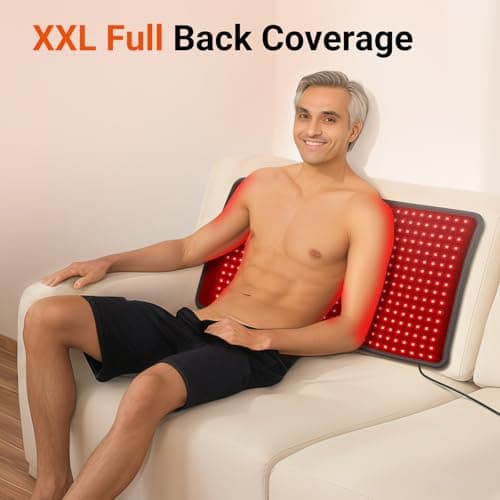
The pad is surprisingly flexible for something that needs to stay flat. I draped it over my couch cushion and leaned back, and it stayed put whether I was upright or fully reclined. No sliding, no bunching. After a 20-minute session on day one, I noticed a mild warmth and a sense of relaxation in my lower back — nothing dramatic, but enough to make me curious. By the end of the first week, I was doing my sessions every evening while watching television. That's the routine I settled into: dinner, dishes, then 20 minutes on the couch with the mat.
What surprised me was how the 850nm near-infrared wavelength actually has a faint heat component. It's not like a heating pad — it doesn't feel hot to the touch — but there's a warmth that builds under the pad after a few minutes. I preferred keeping it on the highest intensity most evenings, though the middle setting worked fine on days when my skin felt more sensitive. On day ten, after a particularly rough hike, I used it on my thighs and shoulders. The next morning the usual post-hike soreness was noticeably duller. Could be the light, could be coincidence, could be the ibuprofen I took before bed — but I kept reaching for the mat after tough workouts throughout the rest of the test.
One thing nobody mentions in the listings: the light does penetrate through light clothing, but you'll lose intensity. The pad works best directly against skin. I learned this the hard way when I tried using it over a thin t-shirt during a cold evening and felt almost nothing. Peel it back, press it directly to bare skin, and the difference is immediate.
After three weeks, my morning back stiffness is — not gone, but softer. I want to be careful here because I'm not claiming this cured anything. Red light therapy works gradually, and I'm only one data point. But the routine stuck. I kept using it, which tells me something. When a wellness device becomes part of your evening wind-down without you having to force it, that's worth noting.
Who Should Buy It?
This red light therapy mat is a good fit for several types of buyers:
- Adults managing chronic joint stiffness — especially lower back, knees, and shoulders from desk work or natural ageing
- Active people in their 50s and 60s — who want faster muscle recovery without professional sessions
- Anyone with FSA or HSA funds — the tax advantage makes the price considerably more manageable
- People who disliked complicated gadgets — the one-button operation genuinely requires no learning curve
Skip this if you need acute injury care (sprains, fractures, and fresh injuries need professional assessment, not home light therapy). Also skip it if you're looking for a medical device with FDA approval to treat a specific condition — this is a wellness device, not a prescription. And if you already own a high-end red light panel system, the Comfytemp mat won't replace it — it's a complement, not an upgrade.
Alternatives Worth Considering
If the Comfytemp doesn't quite fit your needs, here are a few alternatives:
- UTK Red Light Therapy Mat — offers similar 660nm/850nm coverage but adds adjustable heat settings if you want a warmer experience alongside the light therapy
- Red Light Rising Elite Panel — a full-body standing panel with higher irradiance output, better for users who want clinical-grade intensity but at a significantly higher price point
- Beurer IL50 Infrared Heat Pad — a lower-cost option focused on heat therapy rather than photobiomodulation, best for users who prioritised warmth over light wavelengths
FAQ
Pricing on Amazon typically ranges between $150-$200, depending on current promotions and seller.
Final Verdict
The Comfytemp red light therapy mat earns its place as a daily wellness tool. It's well-built, simple enough for anyone to operate, and the 480-LED density gives it a real advantage over cheaper mats that skimp on diode count. After three weeks of consistent use, my joints feel more cooperative — not dramatically transformed, but measurably better. It's not a replacement for physical therapy, medical care, or a proper exercise programme, but it slots in as a supportive habit. If you're exploring red light therapy for joint stiffness or muscle recovery and don't want to spend $1,000 on a professional panel, this mat is worth considering.