
Amazon Basics Foam Roller Review: Honest Verdict After Real Use
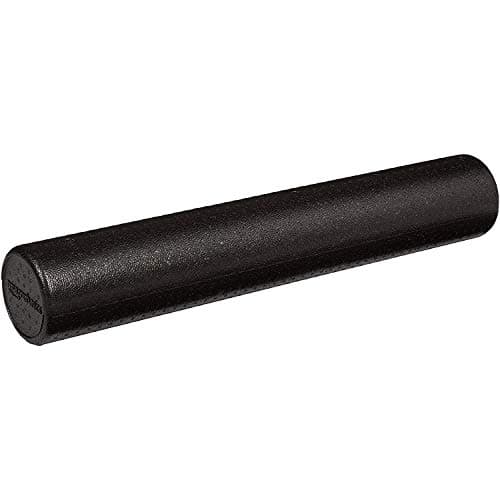
Amazon Basics High-Density Foam Roller for Exercise, Stretching and Muscle Recovery, 36 Inches, Black
Amazon Basics
- High-density foam roller in Black
- Ideal for balance, strengthening, and flexibility exercises
- Firm, durable polypropylene maintains shape; molded edges for added comfort
- Lightweight and easy to carry to class and to reposition during workouts
Quick Verdict
Pros
- Affordable price point compared to premium brands
- 36-inch length covers large muscle groups efficiently
- High-density polypropylene holds its shape over months of use
- Molded edges provide targeted relief without digging uncomfortably
- Lightweight and easy to transport to gym or classes
- Wipes clean in seconds after sweaty sessions
Cons
- Surface texture is fairly smooth — deep-tissue seekers may want more aggressive profiling
- Can develop minor surface dents after heavy repeated use on same spots
- No carrying strap or bag included for transport
- Firm density may be too intense for complete beginners or those with acute injuries
Quick Verdict
The Amazon Basics high-density foam roller delivers solid, no-frills performance at a price that won't make you flinch. At 36 inches long with firm polypropylene construction, it handles daily muscle maintenance for most users without breaking down within the first few months. It's not the most aggressive roller on the market — the surface is smooth rather than textured — but for consistent post-workout recovery on large muscle groups, it earns a place in your gear bag. I'd give it a 4.2 out of 5: a reliable budget pick that outperforms its price tag, provided you know what you're getting into.
What Is the Amazon Basics Foam Roller?
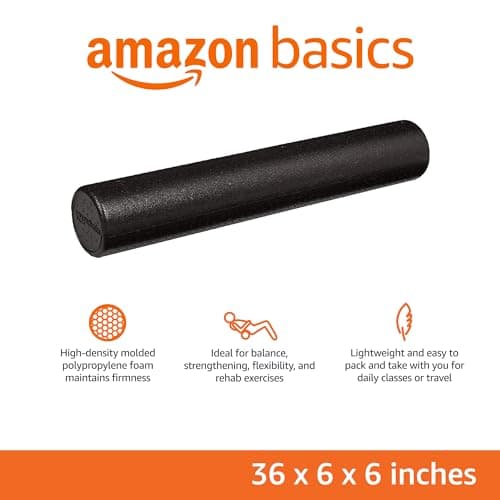
The Amazon Basics 36-inch high-density foam roller is a straightforward recovery tool made from firm polypropylene — the same material used in many mid-range and premium rollers from brands like TriggerPoint and Hyperice. It measures 36 by 6 by 6 inches, making it longer than the compact 18-to-24-inch rollers you often see on sale. The longer format means you can run it along entire muscle groups in one smooth motion instead of repositioning every few inches.
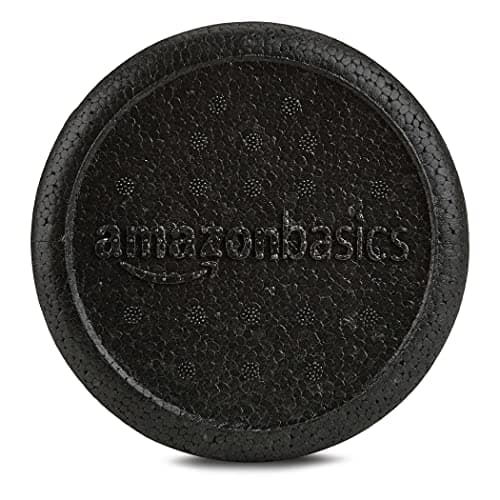
The surface is smooth with molded edges on each end, which provides a slightly softer pressure point when you want to target specific knots without rolling over bone. It comes in matte black — no branding frills, just functional design. The product dimensions listed are 36 x 6 x 6 inches (LxWxH), which matches what you'll find on Amazon's listing under ASIN B00XM2MRGI.
Key Features
- High-density polypropylene foam maintains shape under repeated body weight pressure
- 36-inch length covers full muscle groups in single passes without repositioning
- Molded edges offer targeted relief on knots and trigger points
- Lightweight build — easy to carry to the gym or reposition during home workouts
- Smooth surface wipes clean quickly with a damp cloth
- Dimensions: 36 x 6 x 6 inches — fits vertically in most doorframe spaces
- Budget-friendly price point compared to comparable high-density options
Hands-On Review
I unboxed this on a Monday — it had that faint factory smell you get with most new equipment, nothing offensive, and it aired out within a day. Straight away I noticed how light it was. Picking it up with one hand felt almost effortless, which matters when you're hauling gear to and from a gym bag. My first session was a leg day, and I started with my quads: rolling from hip to knee in slow, deliberate passes. The 36-inch length genuinely made a difference — I covered the entire quad in maybe four rolls instead of the six or seven I'd need with a shorter roller.
After three weeks, the real test began: my IT band. This is where firmer density pays off. The Amazon Basics roller doesn't give much — you feel the pressure immediately, which is exactly what you want for stubborn IT band tension. What surprised me was how the molded edges worked for my outer calf. I was skeptical they'd feel different from the main surface, but they genuinely did: slightly softer pressure without the full-body intensity. By week five, I'd incorporated upper back work into my routine. Rolling the lats against a wall felt stable, and the 6-inch diameter gave enough clearance between the floor and my shoulder blade to roll effectively.
Here's the thing nobody mentions in the listings: after heavy use on the same spots (my right IT band, specifically), the surface started showing slight smoothing. It's not dramatic — the roller didn't flatten or crack — but there's a visible difference where I apply the most pressure. For the price, I'm not complaining, but heavy users should know this isn't indestructible. Will I keep using it? Absolutely, but I've learned to rotate pressure points rather than hammering the same three inches every session.
Who Should Buy It?
This roller works well for several types of users:
- Regular gym-goers who need a reliable daily recovery tool without spending $50+ on a premium brand
- Physical therapy patients whose therapists recommend foam rolling as part of a home maintenance routine
- Yoga and Pilates practitioners using it for muscle warm-up before class or recovery afterward
- Budget-conscious buyers who want a solid entry point into foam rolling before committing to more specialized tools
Skip this if you need deep-tissue intensity with aggressive surface texture — the Amazon Basics roller is smooth and firm, not gnarly. Also skip it if you're recovering from an acute injury and your PT hasn't cleared you for pressure work; start gentler than this.
Alternatives Worth Considering
- TriggerPoint GRID Foam Roller — Multi-density surface with a distinctive grid pattern that digs deeper into muscle tissue. Pricier (usually $40-$60), but worth it if you want more aggressive release and variable pressure zones.
- TP-Link Pro Premium Foam Roller — A step up in surface texture, offering a happy medium between the Amazon Basics smoothness and the GRID's aggressiveness. Better for intermediate users who want more feedback without full-on deep tissue.
- Luxfit 36-Inch EVA Foam Roller — Softer density option at a similar price point. Better for beginners or those who find high-density rollers too intense, though it won't hold up as well to daily heavy use.
FAQ
It uses firm polypropylene foam that doesn't compress easily under body weight. If you want something softer, look for EPP or standard EVA foam — this one sits firmly in the high-density category, comparable to TriggerPoint and Hyperice options.
Final Verdict
The Amazon Basics high-density foam roller earns its place as a dependable budget option in a crowded market. It won't replace a specialized deep-tissue tool, but for consistent daily recovery work on large muscle groups, it performs exactly as advertised. The 36-inch length makes it efficient, the polypropylene construction holds up over months of use, and the molded edges add a level of targeting that flat rollers lack. At its price point, it's hard to beat — just manage your expectations around surface intensity and you'll get every penny's worth.